Waterproof Products for Off-Grid Outdoor Camping: Your Complete Guide
When you're miles from the nearby roadway, sheltered under a darkening sky with rainfall hammering the cover, the high quality of your water resistant gear stops being a convenience concern and comes to be a survival one. Off-grid outdoor camping remove every safeguard-- no close-by store, no dry automobile to pull back to, no quick fix. Choosing the best waterproof products prior to you head out can make the difference in between an unforgettable experience and a miserable, potentially harmful experience.
Why Waterproofing Issues More Off-Grid
Automobile campers can pay for to cut corners. If an inexpensive rain coat soaks through, you rush back to the automobile. Off-grid campers don't have that luxury. Extended backcountry journeys, bushcraft arrangements, and remote basecamp living demand materials that perform accurately throughout days or weeks of unforeseeable weather. Damp equipment results in hypothermia danger, damaged food materials, messed up electronic devices, and damaged spirits. Understanding water resistant products isn't simply gear-geek area-- it's functional understanding every severe off-grid camper demands.
Secret Waterproof Materials and How They Work
Gore-Tex and ePTFE Membranes
Gore-Tex remains the gold criterion for waterproof-breathable materials. Made from broadened polytetrafluoroethylene (ePTFE), it features billions of microscopic pores that are little sufficient to obstruct water beads however large enough to permit water vapor (sweat) to get away. This breathability is critical throughout arduous off-grid task like path blazing, climbing, or hauling heavy packs.
For sanctuaries and clothes alike, Gore-Tex and its rivals-- eVent, Pertex Guard, and Polartec NeoShell-- deliver impressive waterproofing without turning you right into a walking sauna. The compromise is cost. These membranes are pricey, but their longevity and performance warrant the investment for major off-grid use.
Silnylon and Silpoly
When it involves tarps, outdoor tents flies, and groundsheets, silicone-coated nylon (silnylon) and silicone-coated polyester (silpoly) are hard to beat. Both materials are dealt with on both sides with liquid silicone, creating an extremely waterproof, ultralight, and packable textile.
Silpoly has a slight side for off-grid camping since it stretches less when wet, indicating your tarpaulin remains tight and appropriately pitched even throughout extended downpours. Silnylon, while slightly lighter, can droop as it absorbs dampness tension. Either product drops rain exceptionally well and dries quickly-- two top qualities that matter enormously when you're breaking camp in wet problems.
Dyneema Composite Material (DCF)
Formerly called Cuben Fiber, Dyneema Composite Textile is the costs option for ultralight off-grid campers who refuse to jeopardize. DCF is non-woven, inherently waterproof (no covering called for), and extraordinarily solid for its weight. It doesn't absorb water in any way, so it never obtains much heavier cpai-84 fire retardant in the rain.
The downside is the rate-- DCF shelters and bags lug a substantial premium. But also for lengthy off-grid expeditions where every gram matters and dependability is non-negotiable, DCF delivers unmatched efficiency.
Polyurethane-Coated Fabrics
Polyurethane (PU) finishing is the most typical waterproofing method on spending plan to mid-range equipment. Applied to the inner face of nylon or polyester, PU finishes create a waterproof barrier that functions well initially. The issue is long life-- PU finishings weaken gradually, especially with UV direct exposure, folding, and duplicated compression. You may see peeling or a sticky inner surface area on older PU-coated gear.
For off-grid outdoor camping on a budget plan, PU-coated sanctuaries and rain gear are a practical starting factor, yet factor in the need for routine reproofing with DWR (Durable Water Repellent) sprays to preserve efficiency.
Waterproofing for Specific Gear Categories
Sanctuaries and Tarpaulins
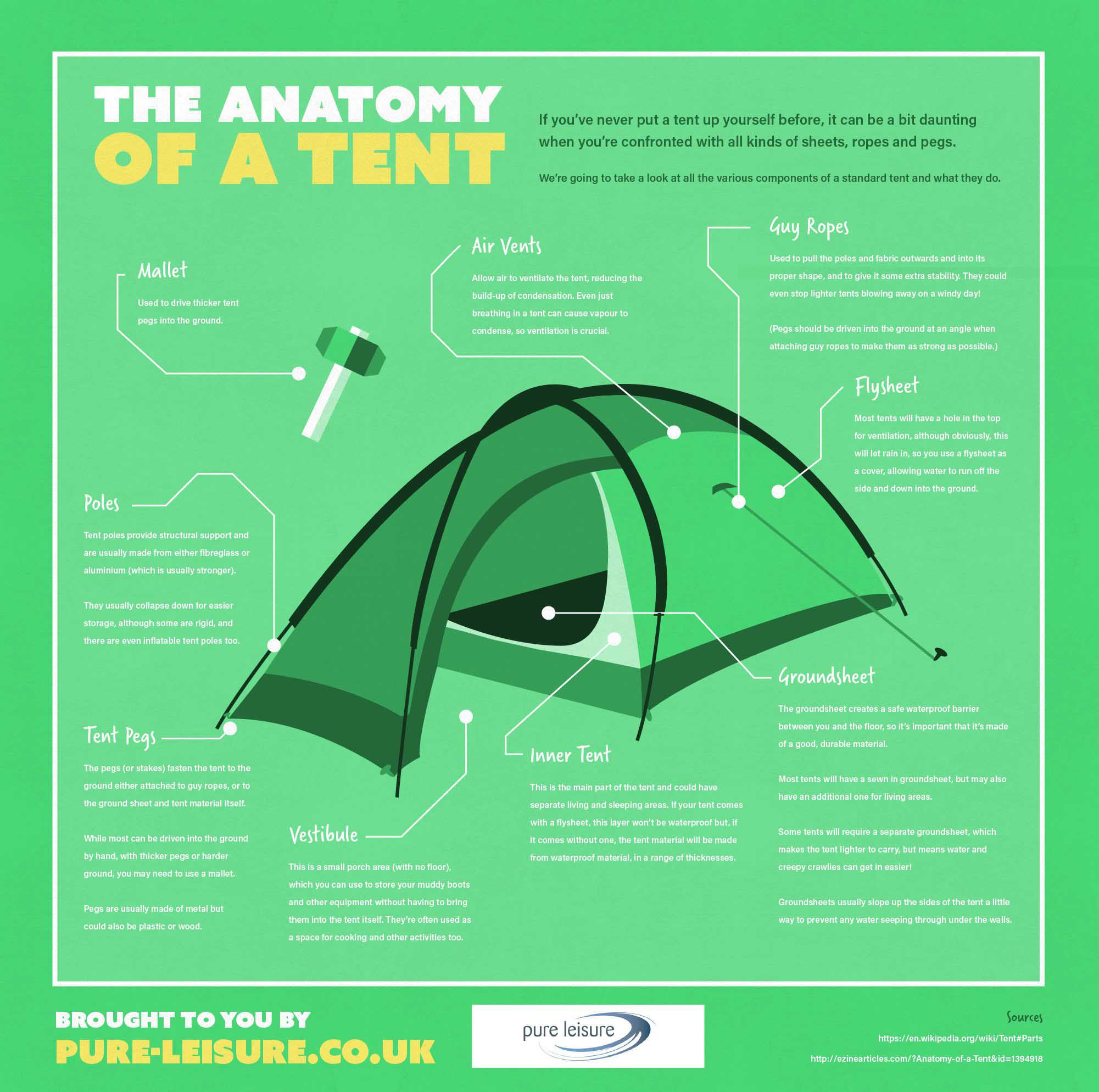
Your shelter is your very first line of protection. Focus on silpoly or silnylon tarps for al fresco arrangements, and seek tents with fully taped joints and bathtub-style floors. Seam sealing is just as crucial as the material itself-- even the most effective waterproof product falls short at unsealed seams.
Garments and Shoes
Layer wisely: a Gore-Tex or ePTFE shell over moisture-wicking base layers keeps you dry from both rain and sweat. For footwear, waterproof-breathable boots are crucial in wet terrain, though completely water-proof boots can catch dampness in warmer problems-- take into consideration the environment carefully.
Dry Bags and Pack Covers
Even water-proof packs gain from internal dry bags. Usage roll-top completely dry bags made from TPU-laminated or PVC-coated textiles to protect resting bags, electronic devices, and apparel. A separate pack cover adds an added layer of insurance policy during hefty rainfall.
Final Ideas
Waterproof materials aren't one-size-fits-all. The appropriate option depends on your budget plan, the weight you're willing to carry, the duration of your journey, and the environment you're heading into. Buy comprehending what your gear is made of, keep it properly, and never ever head into the backcountry thinking the weather condition will cooperate. In off-grid camping, preparation is everything-- and waterproof materials are the foundation of staying safe, comfortable, and all set for whatever the wild tosses at you.